
Introduction
Color makes or breaks a textile product. A slight shade difference can cost you repeat orders. Most fabric processors don’t realise how much their dye supplier impacts daily operations. Reactive dyes work differently from other color agents. They bond with fabric at a molecular level. This creates lasting, vibrant colors that customers prefer. However, here’s the catch: quality varies significantly between manufacturers.
The dye manufacturer you choose affects your bottom line directly. It influences how smoothly your production runs each day. Understanding this connection helps to choose the best Reactive Dyes Manufacturer for textile businesses to make smarter purchasing decisions.
What Are Reactive Dyes and Why Are They Preferred in Textiles?
Reactive dyes create a chemical bond with cellulose fibers. Think of it as a permanent attachment rather than surface coating. This bonding happens at the molecular level with cotton and viscose.
The benefits are clear and measurable:
- Colors stay bright even after multiple washes
- Shades appear more brilliant compared to other dye types
- Application methods remain flexible and practical
Modern textile printing has changed significantly. Digital textile printing and inkjet methods now demand specialized formulations. Reactive dyes adapt well to these new technologies.
Different fabric processes need different dye variants. The industry uses multiple categories:
Reactive Black Dyes – for deep, consistent black shades H, HE, M, ME, and VS series – for varied application needs Cold and Hot Brand options – temperature-specific processing
Recent innovations focus on cleaner production. PCA-Free dyes suit high-value fabrics better. Salt-Free variants work specifically for digital printing requirements. These developments address both quality and environmental concerns.
Why Choosing the Best Reactive Dyes Manufacturer Matters
The wrong dye supplier creates daily operational problems. Shade variations appear between batches without warning. Your production team spends hours fixing color mismatches. Fabric fastness fails quality checks, leading to customer complaints.
Rework costs add up quickly and eat into profit margins. Environmental compliance becomes a constant worry with uncertified products.
A reliable manufacturer changes this scenario completely. Quality checks happen at every production stage. Research teams develop solutions for current market needs. Global certifications prove commitment to standards and safety.
Roop Dyes: Innovation, Consistency, and Compliance
Strong Quality Control System
Testing begins with raw material inspection and continues through manufacturing. Every batch undergoes final checks before shipment. This multi-stage approach prevents quality issues from reaching customers.
Key certifications include:
- GOTS Version 5.0
- OEKO-TEX 100 ECO PASSPORT
- ZDHC Certificate
- ISO 14001:2015
- ISO 45001:2018
Computerized spectrophotometers handle precise color matching. Batch samples stay preserved under controlled conditions. Future reference becomes easy when consistency questions arise.
Advanced Research & Development
The R&D lab focuses on current industry challenges. Salt-Free Dyes now serve digital textile printing requirements. PCA content reduction helps processors working with premium fabrics.
Modern equipment supports this development work:
- Vacuum distillation and drying units
- Glass-lined reaction vessels up to 5 KL capacity
- HPLC and UV-Vis Spectrophotometer
- GC and automated titration systems
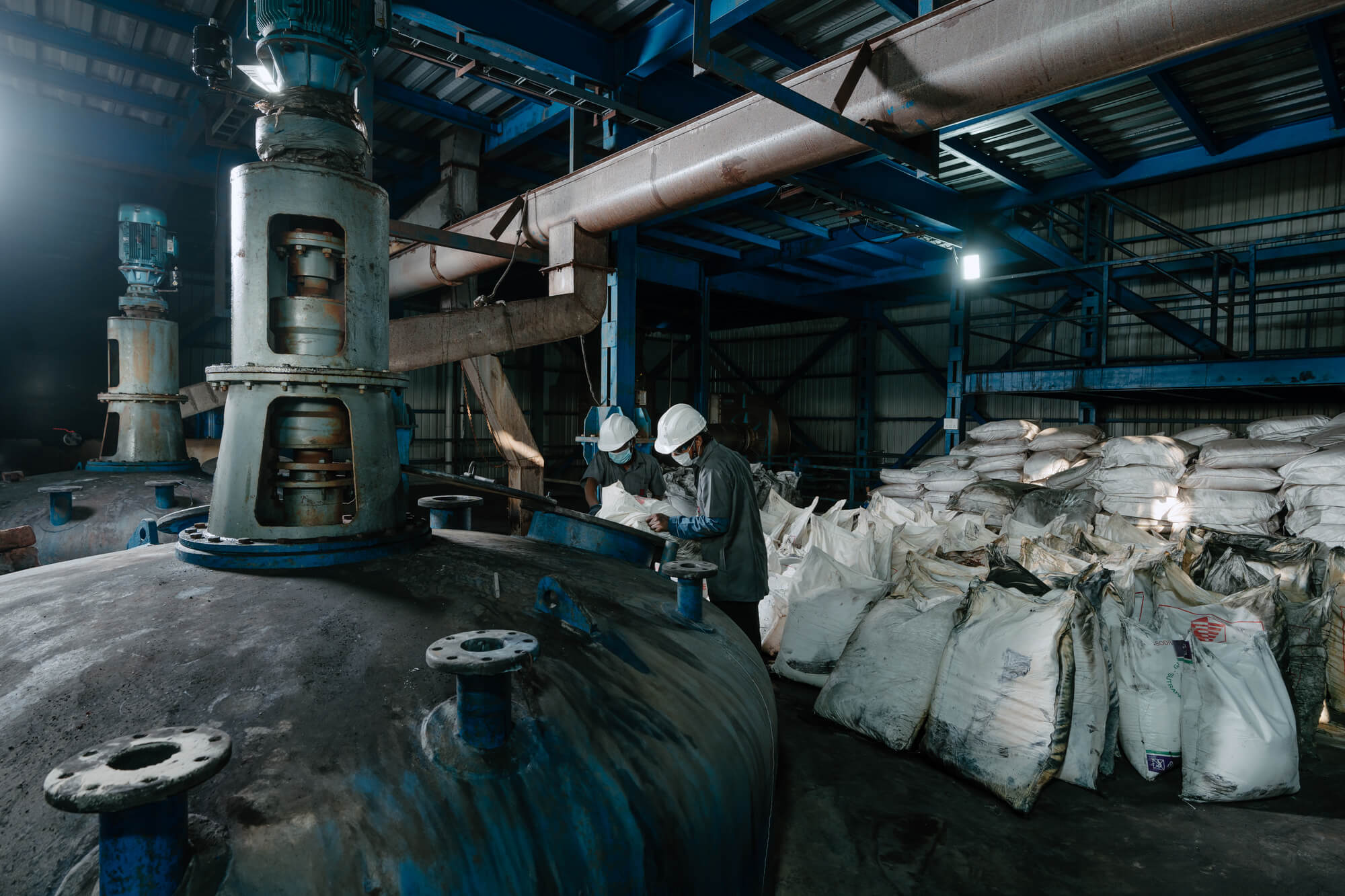
All experiments run inside fuming chambers. Hazardous chemicals get stored in specialized safety cabinets. This setup protects both workers and product quality.
The New Standard in Dyes Manufacturing
Global buyers now check environmental credentials before placing orders. Eco-certifications have become purchasing requirements, not optional extras.
REACH and GOTS registrations demonstrate proactive compliance. ISO 14001 certification shows structured environmental management. The shift toward salt-free chemistry reduces water pollution during textile processing.
Being a top manufacturer means meeting both performance and responsibility standards. Product quality matters, but so does the manufacturing impact. This balance defines modern dye manufacturing excellence.
Global Reach, Local Expertise
Roop Dyes started in 1978 in Wadhwan City, Gujarat. What began as a modest operation now serves over 50 customers across 18 countries.
The journey focused on one thing – consistent quality in Reactive Black Dyes. This specialization built reputation and trust. Textile processors knew they could rely on shade consistency batch after batch.
“Known for Color Black” became more than a tagline. It turned into a quality benchmark that global clients recognize. The company maintained this standard while expanding product ranges and markets.
Local manufacturing roots combined with international quality standards. This mix creates reliability that export clients value.
Conclusion
Selecting the Best Reactive Dyes Manufacturer affects every aspect of textile production. Quality determines your output consistency. Innovation keeps you competitive in changing markets. Sustainability opens doors to premium buyers.
Roop Dyes built its reputation on these three pillars. The focus remains on creating superior products while putting customer needs first. Testing protocols, R&D investments, and compliance certifications all serve this purpose.
Textile businesses need partners who understand both chemistry and commercial realities.
In a world full of colors, trust the one who thinks in shades — Roop Dyes.